Due to activities in other projects this project is not being actively progressed at the moment.
Malvern Community Forest is asking people to help map the conker (horse chestnut) trees of Malvern and the surrounding countryside.
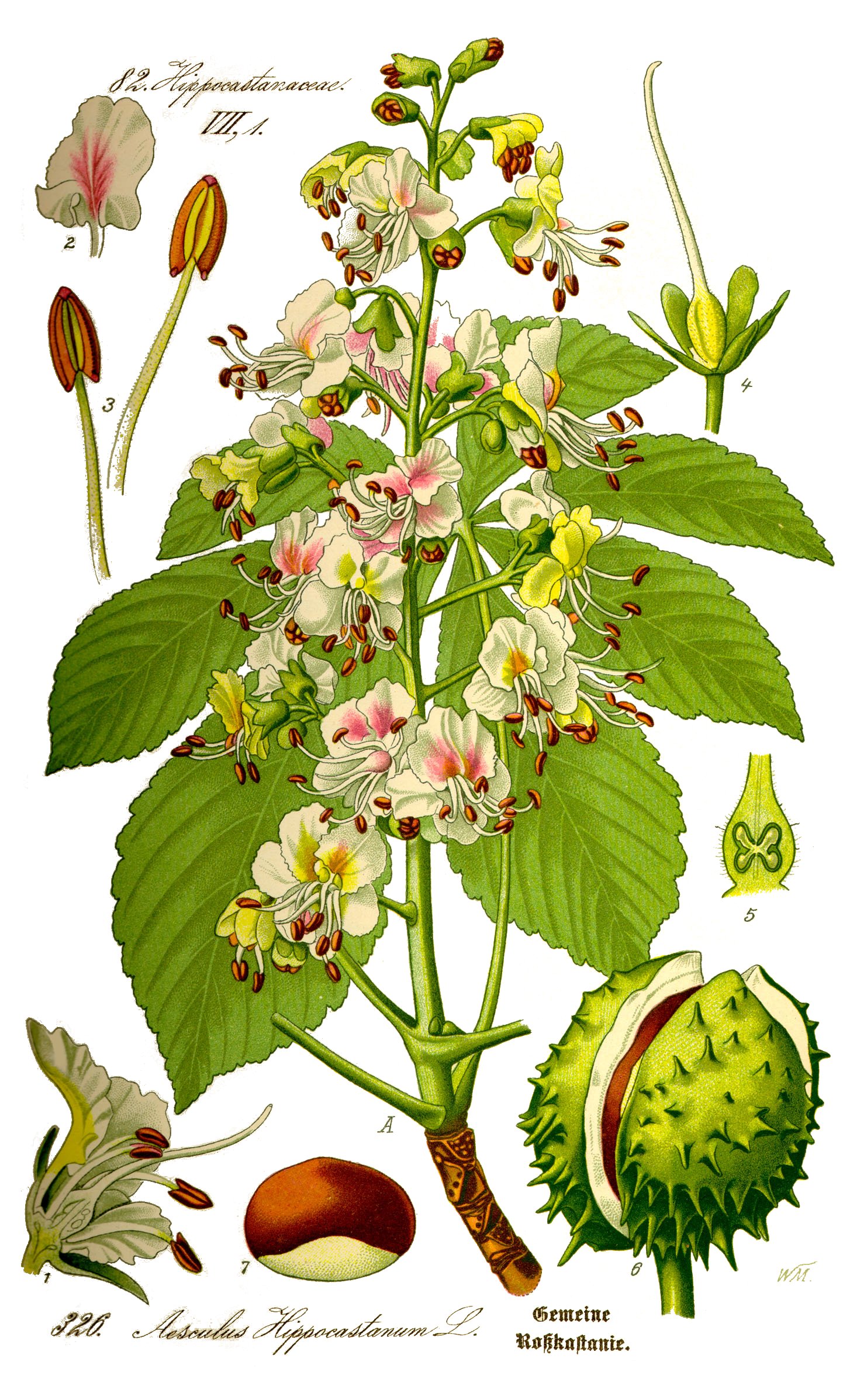
The Treeful reason is that we want to contribute to the Conker Tree Science project (www.conkertreescience.org.uk/), which monitors the health of horse chestnut trees under attack from insects (Horse chestnut leaf miner) and bacteria (Bleeding Canker). Research originally suggested that horse chestnuts are not much affected by having their leaves destroyed by the leaf miner caterpillars, but it is now finding they are made more vulnerable to Bleeding Canker, which can kill the trees. Early detection of Bleeding Canker can mean removing infected branches before they die and become a safety hazard, and not having to cut down whole trees as a precaution[1]. A good resource to identify if a tree has Bleeding Canker is this page at the Research arm of the Forestry Commission.
This page from the The Woodland trust can help identify a horse chestnut tree.
|
|
|
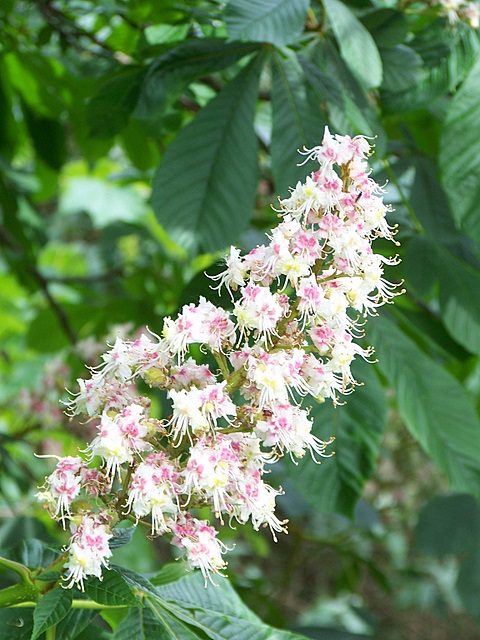

We are also interested in the Red Horse Chestnut, Aesculus x carnea. This red-flowered hybrid is a cross between our common horse chestnut and the red buckeye Aesculus pavia from the southern United States.
Here is a map of the conkers tree we have already mapped.
Ways take part in the Conker Tree Hunt:
Use a mobile app to collect the data select here to find out how,
Add the data on the web select here to find out how.
Or just let us know where there are Conker trees is Malvern by emailing conkers@malverncommunityforest.org.uk or fill out the form below.


Should we smash up conkers or plant them to grow replacement trees?
Most horse chestnuts trees were planted many years ago as ornamental trees. It is fairly easy to grown a new tree from conkers: about 50% will germinate under the right conditions. This means that most conker trees – even those under attack - produce enough conkers to replace themselves many times over.
As ornamental trees, many are beside roadways, and huge numbers of conkers are smashed up by vehicles on roadsides. Others are on commons or other parkland on which the grass is mowed, and very few if any saplings survive to grow to maturity. Harvesting conkers for the contest is not likely to decrease the number of saplings that grow from easily accessed trees.
Conker Tree Science say that there will be fewer conker trees in future because not enough saplings are being planted. At the Conker Championships, we will provide the opportunity for people to plant some conkers to grow into saplings and MCF will plant some as well. Saplings must only be grown in an appropriate place for the size that they grow to and only with the landowner’s permission.
We will be using the smashed conkers to demonstrate how to make soap from them. Conkers are full of saponins, chemicals that are used to make everyday soap, which also make them deadly to eat for animals (and not very good for humans to eat, either).
[1] Malvern Community Forest does not provide tree surgery or tree felling services. Any concerns about trees will be reported to landowners wherever possible.